Small experiments. Clearer decisions.
Paper helicopter design of experiments
Seven design factors, eight configurations and forty drops. A practical exercise in using structured experiments to understand performance and variability.
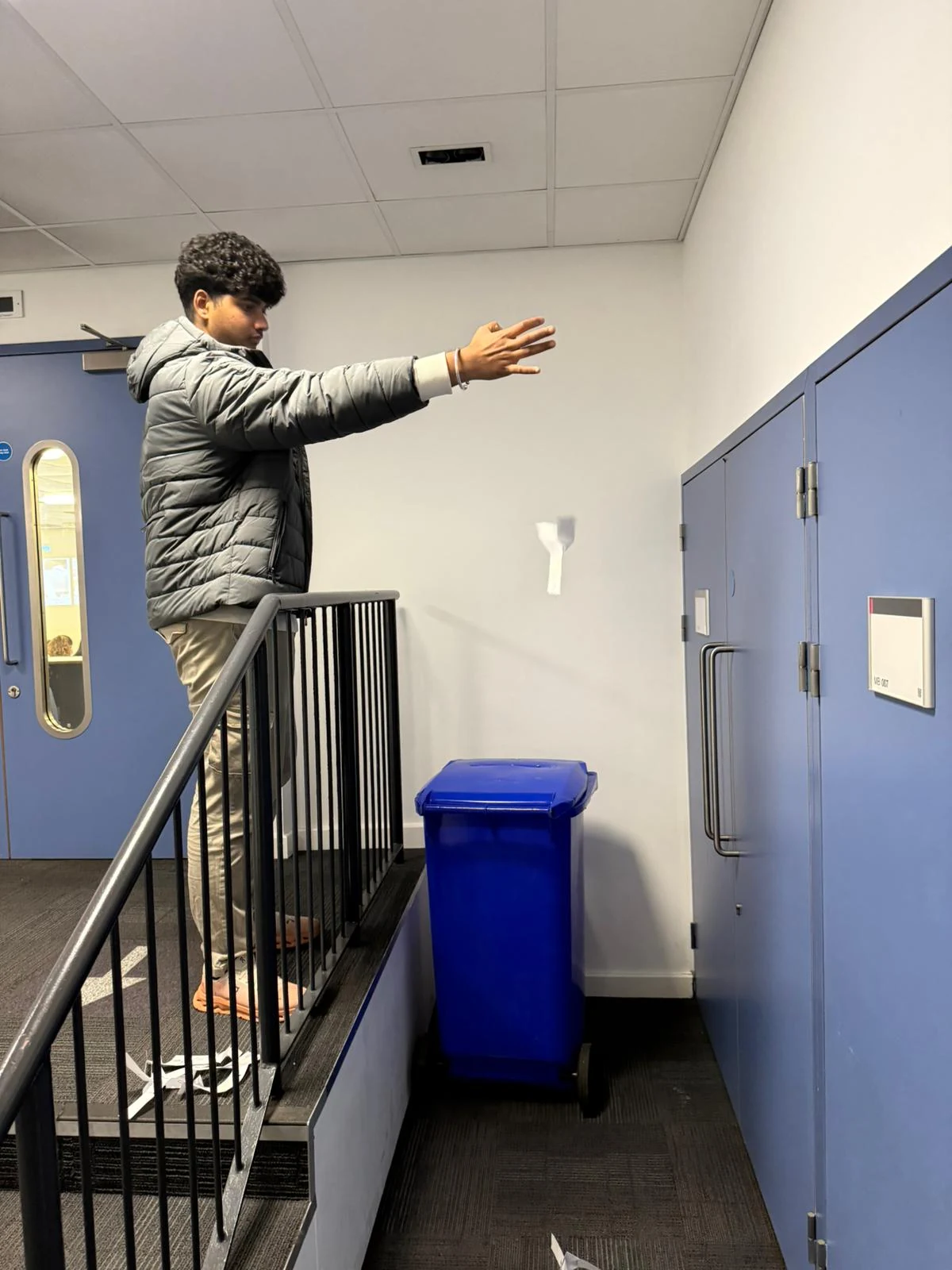
Turn a simple object into a test
The study examined wing length, body length, body width, a weight clip, a wing hole, body tape and wing tape. I used a two-level L8 orthogonal array to compare eight configurations, with five drops recorded for each configuration.
Look beyond the longest flight
I analysed both mean flight time and larger-is-better signal-to-noise ratios in Minitab. An Ishikawa diagram helped organise influences from geometry, materials, preparation, measurement and the test environment.
What influenced the outcome
Wing length had the largest effect in the response tables for both mean flight time and signal-to-noise ratio. The experiment provided a focused basis for choosing the next geometry to test without changing every variable at once.
What I would strengthen next
The L8 design is saturated when all seven main effects are fitted, leaving no residual degrees of freedom in that model. I treat the rankings as screening evidence, not conclusive significance tests. Independent confirmation runs would be the next step before claiming a robust optimum.
1 / 6 · Select image to enlarge
The eight paper helicopter configurations prepared for the experiment.
Project evidence: Quality Management Systems report dated 6 January 2026, experiment photographs and original Minitab outputs. The duplicate report in the archive represents the same study.
Connecting movement and sensing.